Mostrando 1–16 de 40 resultados
-

$23.00 - $100.00Rango de precios: desde $23.00 hasta $100.00
Wisky served in a tulip glass on the rocks with an ice in the shape of a human skull
-
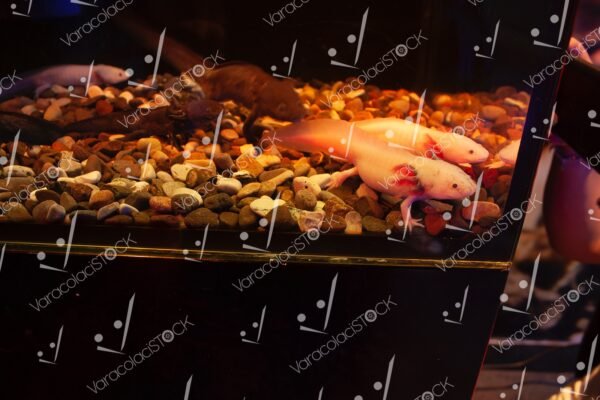
$23.00 - $100.00Rango de precios: desde $23.00 hasta $100.00
White axolotls pet inside fish tank in Mexico city amazing animal with regeneration capacity
-

$23.00 - $100.00Rango de precios: desde $23.00 hasta $100.00
Back of zombie skinned in the zombie march that is celebrated in city of Mexico annually
-

$23.00 - $100.00Rango de precios: desde $23.00 hasta $100.00
ice human skull decorating glass for extra cold beer steaming with dry ice method for Halloween party mystery nightmare presentation
-

$23.00 - $100.00Rango de precios: desde $23.00 hasta $100.00
Bridge in Japanese garden in Mexico
-

$23.00 - $100.00Rango de precios: desde $23.00 hasta $100.00
Beer glass containing fresh liquid with cooling dry ice cooling emanates white smoke outlining the profile of the glass in celebration of Halloween party
-
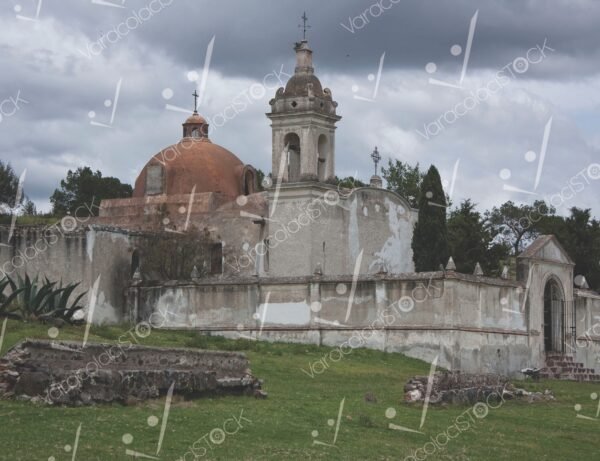
$23.00 - $100.00Rango de precios: desde $23.00 hasta $100.00
Church in ruins, inside a rural setting in Mexico City on a cloudy day
-
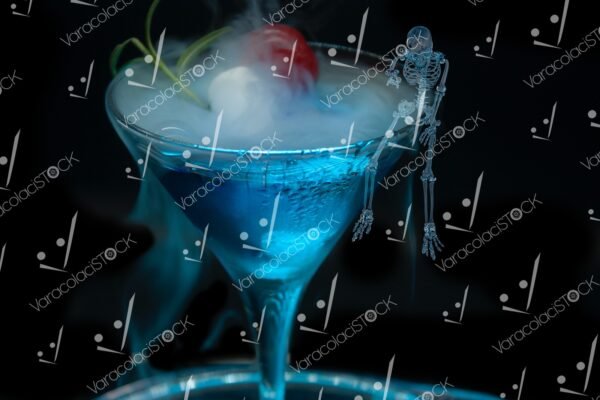
$23.00 - $100.00Rango de precios: desde $23.00 hasta $100.00
Cold drink with curaçao Rosemary and cherry garnished with ice skeleton sitting on the edge of the steaming glass emanating white smoke while chilled with dry ice drink for Halloween party
-

$23.00 - $100.00Rango de precios: desde $23.00 hasta $100.00
skeleton sitting on the edge of the steaming glass emanating white smoke while chilled with dry ice drink for Halloween party
-
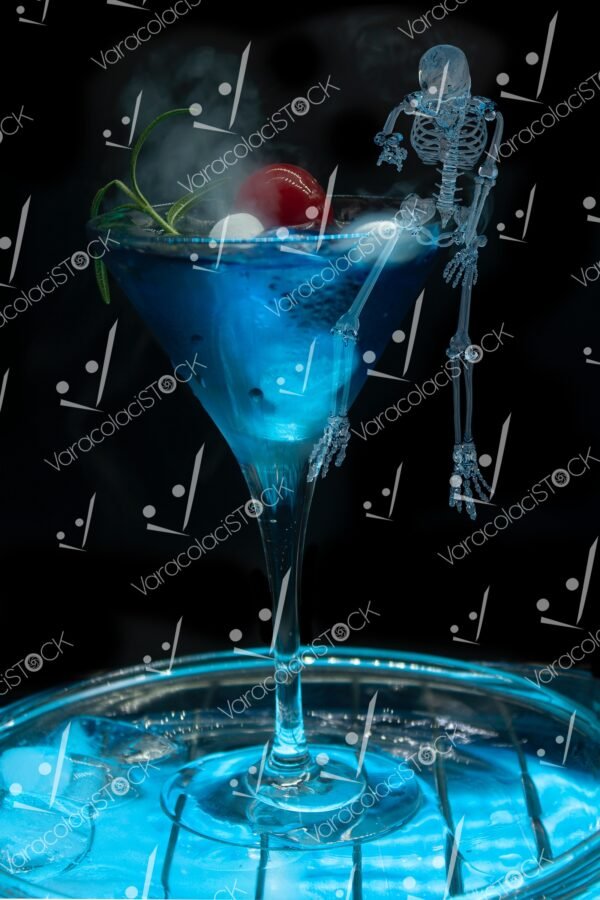
$23.00 - $100.00Rango de precios: desde $23.00 hasta $100.00
Cup with drink to celebrate Halloween with ice human skeleton sitting on the rim while liquor gives off white smoke emanating from the drink cooling with dry ice garnished with cherry and Rosemary
-
$23.00 - $100.00Rango de precios: desde $23.00 hasta $100.00
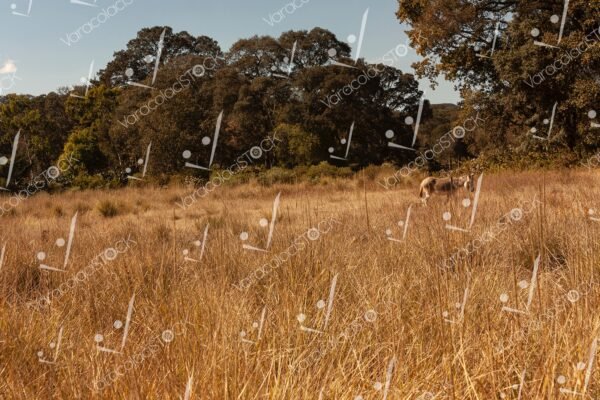
Rural scene of a farm donkey in the middle of the golden meadow in Mexico
-
$23.00 - $100.00Rango de precios: desde $23.00 hasta $100.00
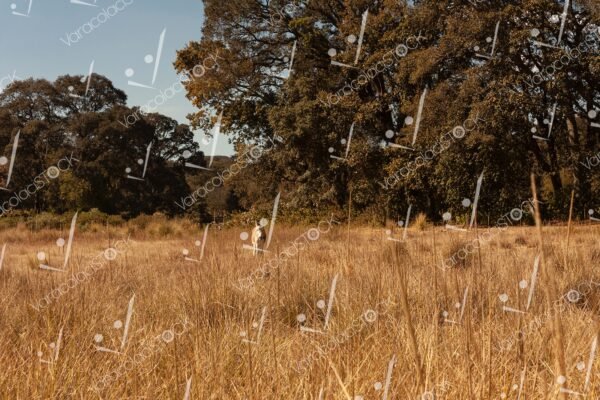
a farm animal donkey walks freely in the meadow grazing on the golden grass in autumn atmosphere
-
$23.00 - $100.00Rango de precios: desde $23.00 hasta $100.00
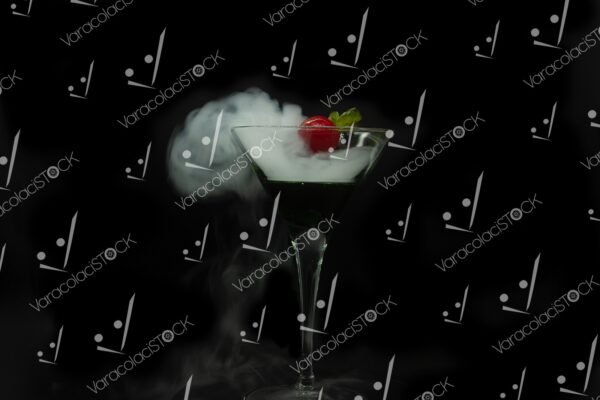
Drink at minus 72 degrees with dry ice in a gothic atmosphere glass emanates smoke from the fernet and mint liqueur garnished with cherry and basil
-
$23.00 - $100.00Rango de precios: desde $23.00 hasta $100.00
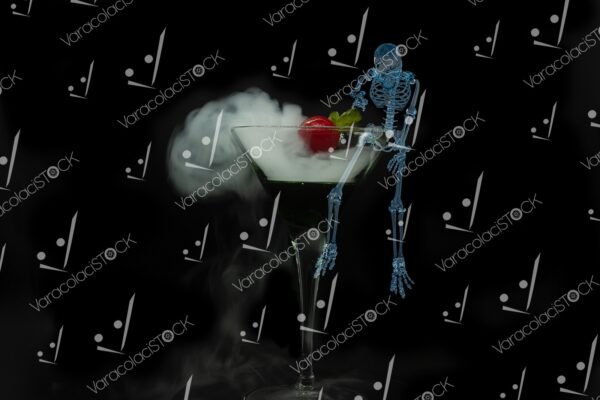
Gothic macabre drink in the dark glass emanating white smoke cooled with dry ice prepared with mint liqueur, fernet garnished with red cherry and albaca leaf
-

$23.00 - $100.00Rango de precios: desde $23.00 hasta $100.00
Exit softway station on one of the main avenues in Mexico City
-

$23.00 - $100.00Rango de precios: desde $23.00 hasta $100.00
Facade mexican ex-convent with architecture of the sixteenth century, it used to be by Franciscan monks